Gardening Services in Parsons Green
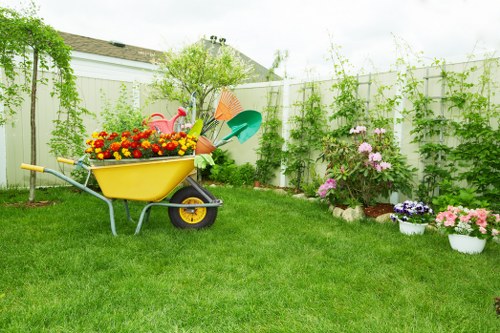
Gardening services in Parsons Green need to be practical, tidy and suited to the way each outdoor space is used. We focus on reliable garden care that keeps lawns, hedges, borders and planted areas in good order, with work shaped around the condition of the site and the season. Whether the aim is regular maintenance or a one-off refresh, the service is built to give you a neat, workable garden without unnecessary extras.
Our work can cover routine upkeep and more involved tidying, including lawn mowing, hedge trimming, border clearing and general green waste removal. For properties where the outside space has become difficult to manage, we can also support heavier tasks such as garden clearance and the removal of overgrown material. If you are comparing options, start with the type of finish you want and then ask for a quotation based on the actual tasks involved.
Tell us what needs attention and what your priorities are, and we can help shape the visit around those details. Clear access, a short description of the garden and any awkward areas make it easier to match the work to the space. If you already know which jobs matter most, you can use that as the basis for a quotation request.
Regular garden maintenance
Regular garden maintenance is often the simplest way to keep an outdoor space looking orderly throughout the year. In Parsons Green, that can mean scheduled visits for mowing, trimming and general tidying so that growth does not get away from you between seasons. Our approach is to keep the work balanced: enough detail to make the garden presentable, but not so much that the routine becomes complicated or wasteful.
Maintenance work usually starts with the parts that affect the overall look most quickly. Lawns benefit from consistent cutting, edges benefit from clean definition, and beds look better when dead growth, weeds and loose debris are removed. We can also combine tasks where that makes sense, so a single visit deals with several small jobs rather than leaving them to build up. That practical sequence often gives a better result than tackling everything in isolation.
If you are planning a one-off visit or a series of visits, it helps to note three things before requesting a quote:
- the main areas that need attention
- any parts of the garden that are hard to reach or delicate
- whether you want light tidying, heavier cutting back or a fuller refresh
Lawns, edges and tidy ground cover

A well-kept lawn can change the feel of a garden quickly, especially where the rest of the planting is already established. Our lawn mowing work is aimed at keeping grass at a manageable height, with attention to the edges so the finish does not look rushed. Where suitable, trimming around borders, paths and other fixed features can help create a cleaner outline without disturbing the rest of the space.
Ground cover and informal grassed areas may need a slightly different approach from a simple front or back lawn. Some gardens have uneven patches, shaded areas or areas that are used more heavily than others, and the service should reflect that. Rather than forcing a single method across every site, we look at what is actually there and keep the cutting and tidy-up sensible for the conditions. This can be particularly useful where the garden includes mixed surfaces or a less formal layout.
When preparing a quotation request, it is useful to say whether the lawn is the main priority or just part of a wider visit. If the grass has become longer than usual, mention that plainly so the work can be scoped properly. The more accurately the mowing task is described, the easier it is to produce a realistic quotation without adding assumptions.
Hedges, shrubs and controlled growth
Hedge trimming and shrub shaping are important when the garden needs structure as well as tidiness. Growth that is left unchecked can spill into paths, soften boundaries or make a space feel smaller than it is. Careful trimming restores shape while keeping the plant healthy-looking and suited to its position. In a built-up area, that sort of control can make paths, entrances and planting lines feel more deliberate.
Some hedges only need a light reduction to keep the outline clean, while others benefit from a fuller cut back where the growth has spread more widely. We can work with both routine trimming and more detailed tidy-up work, provided the task is described clearly. The difference matters because a small shaping job and a more involved reduction are not the same in time, access or the amount of waste created.
If the hedge or shrub area includes mixed planting, it is sensible to separate what should be cut from what should be left alone. That saves time on site and reduces the risk of damage. A short note about height, length and the main areas of overgrowth is often enough to start a useful quotation request.
Garden clearance for overgrown spaces

Garden clearance is the right option when the outside space needs more than routine care. That can include thick weeds, fallen material, overgrown borders, unmanaged planting and general build-up that makes the garden awkward to use. Rather than treating clearance as a cosmetic extra, we approach it as a proper service for restoring order and making the site workable again.
Clearance work is often best done in a logical sequence: remove loose waste, cut back the growth that is causing the biggest problem, then deal with the smaller material left behind. This helps create a cleaner result without missing the areas that matter most. Where a garden includes a mixture of planting, hard surfaces and storage items, the level of clearance can vary from spot to spot, so a straightforward description of the whole space is valuable. For some properties, the task may be only a partial clearance; for others, it may involve a more complete reset of the area.
Good access information makes a difference here. If the garden is behind a property, through a side return or split into several sections, mention that before you request a quote. You do not need a long explanation, just enough detail for the work to be assessed properly and for the right amount of labour and disposal to be considered.
Planting areas, borders and finishing work
Well-finished borders and planted areas give a garden its character, even when the main job is maintenance rather than redesign. We can help tidy borders by removing dead growth, clearing stray weeds and making edges look intentional rather than neglected. This kind of work is useful when the garden is broadly under control but the details have started to look untidy.
Finishing work matters because the final appearance often depends on small things: straight edges, cleared corners, and the removal of debris from around beds, stepping stones or retaining features. A garden can be broadly neat but still look unfinished if those details are left behind. By handling the tidy-up properly, the space feels more coherent and easier to maintain afterwards. That final pass is often what makes a maintenance visit feel complete.
If you need planting areas assessed alongside mowing or hedge work, explain which parts should be kept intact and which parts are due for cutting back or clearing. That keeps the quotation aligned with the real job and avoids confusion later. If you want to request a quotation, the simplest route is to list the main areas in order of priority.
Pricing factors and quotation requests
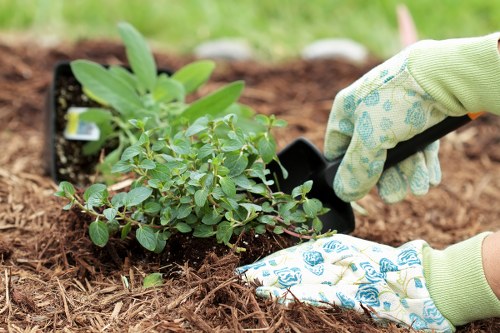
Quotation requests for gardening services usually depend on a few practical factors: the size of the garden, the amount of growth, the type of work required and whether waste needs to be removed. A straightforward mow is not the same as a full clearance, and a hedge trim is not the same as reshaping neglected growth. Being clear about the task from the outset helps the quotation reflect the actual job rather than a rough guess.
Where several services are combined, the scope can be set out in a single request so that the work is priced as a whole. That can be useful if the garden needs mowing, border tidying and hedge trimming in one visit. It is also sensible to mention anything that may affect access or time on site, such as narrow paths, split levels or delicate surfaces. If you are unsure what category your job fits into, describe the outcome you want and ask for guidance.
Request a quotation if you already know the main tasks, or send a plain text enquiry if you would rather discuss the scope first. Either way, a brief description of the garden and the work needed is usually enough to begin.
About Parsons Green
Parsons Green is a district in Fulham, within the London Borough of Hammersmith and Fulham, in southwest London. Its name is shared by both the locality and the green space at its centre, which has long helped define the area’s identity. The district sits close to the River Thames and is connected to surrounding parts of Fulham by a network of residential streets, local shops and transport links. Parsons Green underground station, on the District line, provides a direct link into central London and helps make the area feel both residential and well connected. The surrounding street pattern includes a mix of terraces, mansion blocks and later infill development, giving the neighbourhood a varied built character rather than a single uniform style. Historic layers are visible in the architecture, with older brickwork and period façades sitting alongside more modern additions. The green itself remains an important focal point, used by local residents and visitors as an open meeting place within a largely urban setting. Nearby, the wider Fulham area offers additional parks, riverside walks and sporting landmarks, while the district’s streets reflect the evolution of west London from older village-like settlements into a dense part of the capital. In everyday terms, Parsons Green is known for its combination of open space, established housing and convenient access to the wider city, making it a distinctive pocket of inner London with a strong local identity.
Clearance, removal and site tidying
When a garden has more waste than a simple tidy-up can handle, the service may need to include the removal of cuttings, loose branches and other green material. This is often part of a larger clearance or maintenance visit rather than a separate task, but it still needs planning because waste volume affects how the job is carried out. Keeping the site tidy during the work is just as important as the final result.
Site tidying can also help after hedge trimming, cutting back or seasonal pruning. Instead of leaving piles of material behind, the work is finished properly so the space is left in a presentable state. In practical terms, that means focusing on the areas the customer sees first: entrances, paths, lawns and the main borders. A clean finish is not just about appearance; it also makes it easier to keep up with the garden afterwards. Orderly disposal and final sweep-up are part of the overall service, not an optional extra.
For the clearest quotation, note whether the waste is mainly light cuttings or heavier mixed material. That distinction can affect how the work is planned and how long it takes. If the garden is to be reopened for regular maintenance, this can also be mentioned so the job is priced as part of an ongoing approach rather than a one-off visit.
Landscape gardening and larger improvements

Landscape gardening is suitable where the garden needs more than routine upkeep and the layout itself needs improvement. That might involve reshaping beds, making awkward spaces more practical or adjusting the balance between planting and usable ground. The emphasis is on a garden that works better as a whole, rather than on isolated tasks that do not change the overall feel of the space.
Some projects begin with a clear idea, while others start with a rough description of what is not working. In either case, it helps to separate the functional goals from the decorative ones. For example, you may want clearer boundaries, better planting structure or more manageable areas for maintenance. A good landscape gardening brief keeps those aims distinct so the work can be planned sensibly. If you are considering a larger update, a quotation request should mention the main changes you want rather than only the current problems.
Use the service to bring together the parts of the garden that need to feel more coherent. If you want to explore the work in more detail, start with a short description of the layout and the main changes you would like to see, then ask for a quotation when you are ready.