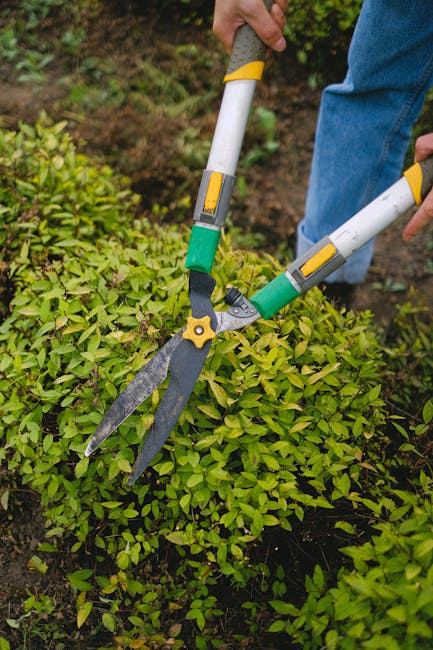
Same day Parsons Green gardeners for storm and urgent jobs
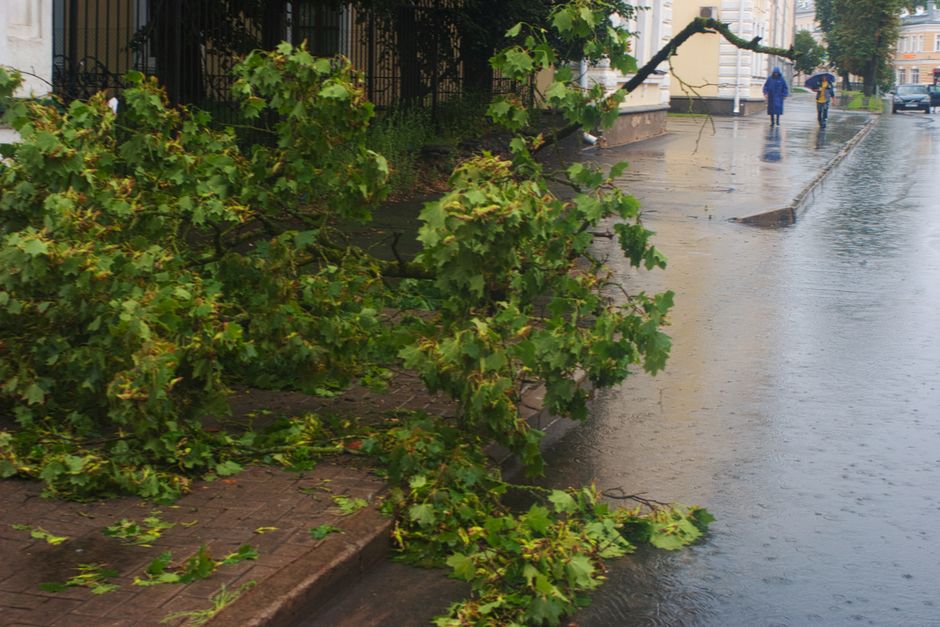
When a storm rolls through Parsons Green, it can leave more than a messy garden behind. Fallen branches, blocked paths, ripped-up planting, leaning fences, and heavy debris can turn a normal outdoor space into something awkward, unsafe, and frankly a bit overwhelming. That is where same day Parsons Green gardeners for storm and urgent jobs become genuinely useful. You need someone who can turn up quickly, assess the damage calmly, and get the space back under control without making a drama out of it.
This guide explains what emergency garden help usually includes, how a same-day visit works, what to ask before booking, and how to avoid the most common mistakes when time is tight. You will also find practical checklists, comparison points, and a clear idea of when urgent gardening is worth prioritising over waiting for a routine appointment. Let's face it, once the wind has done its worst, nobody wants to spend the next three days staring at a half-uprooted hedge and a garden path nobody can safely use.
Why Same day Parsons Green gardeners for storm and urgent jobs Matters
Storm damage in a city garden is not just about appearances. In a dense London area like Parsons Green, broken branches, fallen planters, waterlogged lawns, and loose fencing can quickly become a practical problem for you, your neighbours, and anyone trying to walk through the space. A blocked rear gate or a dangerous limb hanging over a driveway is not something most people want to leave until next week.
Urgent garden jobs matter because damage tends to compound. A branch lying on turf can crush the grass and leave a muddy patch that spreads. A loosened trellis can catch more wind and fail completely later. A hedge that has been battered by gusts may need careful trimming or shaping before it starts splitting. Small issues often turn into bigger, more expensive ones if they sit there too long.
There is also the human side of it. After a storm, people often just want the garden to feel usable again. Maybe you need to let the dog out safely. Maybe a side return has become too cluttered to pass through. Maybe you run a household where children use the garden every day, and now there is debris near the steps. Same-day help is about restoring normality quickly, not just cleaning up mess.
Practical takeaway: if the garden has become unsafe, blocked, or exposed to further damage, urgent action usually saves time, stress, and a fair bit of hassle later on.
If you want to understand the broader service range behind emergency work, the site's services overview is a useful place to see how clearance, maintenance, hedge work, and removal tasks fit together.
How Same day Parsons Green gardeners for storm and urgent jobs Works
Same-day garden support is usually a simple, practical process. It is not elaborate. In most cases, you describe the problem, share the urgency, and the team decides whether it can be attended that day or very shortly after. The more clearly you explain the issue, the faster they can prepare the right tools and time slot.
A solid emergency visit normally begins with a quick assessment. That could be over the phone, from photos, or by arriving on site and checking access, hazards, and the scale of the job. If a storm has left branches on a roof edge, a compromised tree limb, or loose timber around a decked area, the first decision is always safety. The tidy-up comes second. Sensible, really.
Once the urgency is confirmed, the job is usually broken into small actions: remove loose debris, make safe any hanging material, clear access routes, and then handle the main gardening task. Depending on conditions, the crew may focus only on stabilising the site on the same day and return later for a fuller tidy-up or replanting.
That is why same-day work is best thought of as a response service, not always a full redesign. If you need a broader reset after the storm, services such as garden clearance, hedge trimming, lawn mowing, or even tree lopping and removal may be combined or scheduled in stages.
In practice, urgent jobs often move fastest when you are ready with a few basics: what happened, where it happened, whether anything is blocked, and whether there are pets, children, or access constraints. That tiny bit of preparation makes the whole thing easier.
Key Benefits and Practical Advantages
The first benefit is obvious: speed. When a storm has damaged a garden, waiting days for help can leave the problem exposed to more wind, more rain, and more knock-on damage. Same-day attendance helps contain the issue before it spreads.
The second is safety. Loose branches, unstable fences, slippery debris, and obstructed walkways are all easy to underestimate from indoors. A trained gardener will spot the awkward bits quickly and remove or secure them in a sensible order. That is particularly valuable if the damage is near paths, doors, or shared access points.
The third benefit is triage. Not every problem needs a full overhaul there and then. A good urgent gardener will distinguish between what must be done now and what can wait. That matters because after a storm the temptation is to fix everything in one go, which can be costly and a bit chaotic. A calmer approach usually produces better results.
There is also the less glamorous but very real benefit of preventing secondary damage. Water pooling around disturbed soil, sharp broken stems, and collapsed planting can all create further issues if ignored. Quick attention keeps things manageable. It is a bit like catching a drip before it becomes a stain on the ceiling. Not dramatic, just sensible.
- Fast risk reduction: remove immediate hazards before they worsen.
- Cleaner access: restore paths, gates, steps, and side returns.
- Better preservation: protect healthy plants and usable turf where possible.
- Less stress: get a clear plan instead of guessing what to do first.
- Flexible next steps: complete urgent work now, then book follow-up maintenance later.
For many homeowners, the most reassuring part is simply seeing the space under control again. You know the garden still needs attention, but the immediate pressure has gone. That alone is worth a lot on a blustery Tuesday afternoon.
Who This Is For and When It Makes Sense
This kind of service is for people who need the garden made safe or usable quickly, not for those planning a leisurely seasonal refresh. The most common scenarios are straightforward:
- a branch has fallen after high winds
- a hedge has been torn or flattened in one section
- fencing or screening has become loose and is moving in the wind
- a path, side access route, or back gate is blocked
- heavy leaf fall and debris have created a slip risk
- plants, pots, or timber have been knocked over and scattered
- an overgrown area has suddenly become a problem because weather has exposed weak points
It also makes sense for landlords, managing agents, and anyone responsible for communal or shared outdoor space. If the issue could affect more than one household, or if someone may trip or be unable to access the area, urgency increases quickly.
Parents and pet owners tend to be especially sensitive to storm mess, and rightly so. A broken branch or sharp fence edge is easy to miss when you are carrying shopping, holding a lead, or trying to shepherd children indoors before the rain starts again. Same-day help turns a messy risk into a manageable job.
On the other hand, if the issue is purely cosmetic and there is no safety concern, you may be better off booking a standard visit. A good gardener will usually tell you honestly where the urgency really lies. That honesty counts.
Step-by-Step Guidance
If you need urgent garden help, the simplest approach is usually the best. Here is a practical way to handle it without making things more complicated than they need to be.
- Identify the immediate hazard. Is it a fallen branch, blocked access, loose fencing, or something else?
- Keep people away from the danger zone. If anything is unstable, do not try to lift or bend it back into place.
- Take a few clear photos. Wide shots and close-ups help explain the job quickly. No need for anything fancy.
- Explain access details. Mention locked gates, narrow side returns, parking limits, or shared entrances.
- Ask what can be done today. Sometimes the best outcome is safe clearance now, with fuller restorative work later.
- Confirm waste removal and tidy-up expectations. You want to know whether debris will be cleared away or left stacked for collection.
- Agree on priorities. Safety first, access second, appearance third. That order usually works best.
- Review the follow-up plan. If the garden needs reshaping, pruning, or maintenance afterwards, book that while the situation is fresh.
A small note from experience: the clearer the first message, the smoother the day goes. It is amazing how much time you save by saying, "The branch is across the rear path and the side gate is stuck," rather than just "We've got a storm problem." Both are understandable, but one helps more.
If you are unsure where urgent work sits within longer-term upkeep, it can help to compare it with regular garden maintenance. Maintenance keeps the garden healthy over time; urgent response stops the immediate damage from getting worse. Different jobs, same end goal: a garden that works properly.
Expert Tips for Better Results
First tip: do not rush into cosmetic work before the hazard is dealt with. It is tempting to start sweeping, trimming, and tidying everything at once. But if there is an unstable limb or loosened structure, that needs attention first. Otherwise you are just polishing a problem. Not ideal.
Second tip: make space for the team to work. Move cars if possible, unlock side access, and clear a small path to the main issue. In a tight Parsons Green garden, even an extra wheelie bin in the wrong spot can slow things down more than you would expect.
Third tip: ask for a sensible order of operations. A good urgent gardener will often remove dangerous material first, then clear debris, then shape or tidy what remains. If tree work is involved, it is worth asking whether the issue can be stabilised rather than fully removed the same day, especially if weather remains poor.
Fourth tip: think in layers. Storm damage often exposes another problem underneath. A hedge that looked merely untidy may actually be split. A fence panel may have failed because post bases have softened. A lawn may need levelling after water has pooled. The real fix is often slightly more nuanced than the first glance suggests.
And one more, because it matters: ask about disposal and sustainability. If branches, green waste, or old timber are being taken away, it is useful to know how that material is handled. The site's recycling and sustainability information is relevant here, especially if you want a cleaner, more responsible tidy-up after a messy storm.
Common Mistakes to Avoid
The biggest mistake is waiting too long because the problem seems small. Storm damage has a habit of looking manageable until the next gust or the next downpour. Then the "small" issue becomes a real nuisance.
Another common error is trying to force unstable material back into position. A bent branch, cracked post, or leaning screen can fail unexpectedly. You do not want that happening while you are standing underneath it with a pair of secateurs and good intentions.
People also sometimes underestimate access. A garden that is easy to walk through in daylight can be awkward once debris is wet and slippery. Narrow entrances, basement steps, and shared side returns all slow urgent work if nobody has mentioned them beforehand.
Here are a few more avoidable slip-ups:
- booking a general tidy-up when the issue is actually a safety problem
- not mentioning pets, children, or neighbours who may use the space
- assuming every branch or tree issue can wait for a normal appointment
- overlooking debris near drains, which can make water build up quickly
- forgetting to ask whether the work includes loading and disposal
The broader point is simple: urgent gardening works best when the problem is described clearly and acted on early. A little realism now saves a lot of frustration later. Truth be told, that is half the battle.
Tools, Resources and Recommendations
For storm and urgent jobs, the right tools matter because the work can shift quickly from tidy-up to safety work. A professional gardener will typically bring cutting tools, pruning equipment, loppers, saws, gloves, tarps, rakes, and material for gathering and loading debris. In some cases, protective equipment and stabilising gear may also be needed.
From a homeowner's point of view, the most useful resources are not fancy. They are practical:
- clear photos of the damage
- a short list of what you believe needs doing now
- access instructions for gates, shared areas, or parking
- the ability to be reachable while the job is underway
- a rough note of any recent garden issues, such as weak trees, heavy pruning, or ongoing drainage trouble
For related services, it helps to know where urgent work links into the rest of the garden. A storm cleanup may lead naturally into lawn mowing once the debris is removed, or into hedge trimming if the weather has exposed overgrowth and loose growth. In more severe cases, a full garden clearance may be the cleanest next step.
One practical recommendation: keep a note of any recurring weak points in your garden. Maybe one fence line always catches the wind. Maybe a tree sheds heavily every autumn. Maybe the back corner floods first. That pattern can help you plan maintenance before the next storm arrives, which, in London, feels less like a possibility and more like a timetable.
Law, Compliance, Standards, or Best Practice
For storm and urgent garden jobs, the main compliance concern is safety. Homeowners and service providers both need to avoid creating preventable hazards, especially where branches, tools, slippery surfaces, or unstable structures are involved. You do not need legal jargon to know that a wobbly tree limb above a path should not be left hanging there. Common sense usually leads the way.
In the UK, responsible garden work also tends to follow sensible industry practice around waste handling, safe tool use, and avoiding damage to neighbouring property. If waste is being removed, it should be dealt with properly rather than dumped or left in a way that causes nuisance. If a tree or large branch may be structurally unsafe, it is wise to treat it carefully and not assume it can be cut anywhere without consequence.
Insurance and safety are worth asking about before any urgent job, particularly if ladders, height access, or heavy material is involved. The site's insurance and safety information is relevant here. So is the health and safety policy, especially if you want reassurance that work is being planned with safe procedures in mind.
Best practice is usually straightforward: make the area safe, explain limitations honestly, work within access and weather conditions, and avoid unnecessary risk. That may sound plain, but plain is often exactly what you want when a garden has just taken a beating.
If you are ever unsure whether a task is urgent or just inconvenient, ask for a professional view. A decent gardener will usually separate immediate hazards from jobs that can wait. That distinction is useful, and it saves money too.
Options, Methods, or Comparison Table
Not every storm or urgent garden issue needs the same response. Sometimes a quick fix is enough. Sometimes you need a fuller clean-up. The right choice depends on safety, scale, and how much of the garden has been affected.
| Approach | Best for | Strengths | Limitations |
|---|---|---|---|
| Same-day emergency tidy-up | Immediate hazards, blocked access, storm debris | Fast, practical, safety-focused | May not resolve deeper garden issues |
| Targeted repair and pruning | Battered hedges, broken sections, unstable overgrowth | More refined than a basic clear-up | May need follow-up visit if weather is still poor |
| Full garden clearance | Heavy debris, major clutter, neglected spaces after a storm | Resets the space properly | Can be more time-consuming than a quick response |
| Routine maintenance visit | Non-urgent tidying and ongoing upkeep | Prevents issues building up | Not suitable when there is active storm damage |
In many real situations, the best answer is a combination. You might use urgent help to clear danger, then book maintenance later to restore shape and structure. That phased approach often feels more manageable, especially if the storm has made the whole garden look a little defeated.
Case Study or Real-World Example
Picture a late evening after a windy spell in Parsons Green. By morning, the back garden has a fallen branch across the path, one fence panel is leaning badly, and a row of pots has tipped over near the patio doors. Nothing is dramatic enough to make the news, obviously, but it is enough to stop the garden feeling safe or easy to use.
In that situation, same-day support would usually focus on three things: remove the branch from the access route, make the loose panel safe or secure it temporarily, and clear the knocked-over pots and debris so the area can be walked through again. If the hedge has been damaged, a follow-up trim may be suggested rather than forcing all the work into one rushed visit.
That staged approach is often the most sensible. The immediate job is to restore order and reduce risk. Then, once the weather settles and you can see the full picture, the longer-term repair or tidy-up can be planned properly. Not glamorous, but effective. And honestly, that is what most people want after a storm: effective, not dramatic.
This sort of job also shows why local knowledge matters. In a compact urban garden, access is often tight, storage space is limited, and neighbouring boundaries need care. The quicker the response, the easier it is to keep the work neat and respectful of everyone involved.
Practical Checklist
Use this checklist before you request urgent garden help. It keeps things simple.
- Identify the hazard: branch, fence, hedge, debris, access blockage, or slippery surface.
- Keep the area clear: move people, pets, and valuables away if safe to do so.
- Photograph the issue: take a few clear images from different angles.
- Note access details: gate width, parking limits, locks, shared paths, steps.
- Decide the priority: safety first, access second, appearance third.
- Ask about waste removal: confirm whether debris will be taken away.
- Check whether follow-up work is needed: pruning, hedge shaping, mowing, or clearance.
- Review safety concerns: unstable limbs, hanging material, or wet surfaces.
- Prepare for a quick visit: make entrances available and secure pets if needed.
- Keep a note for later: if the issue shows a wider maintenance problem, plan for it.
That list sounds basic, and it is. Basic is good when the weather has already done enough to complicate your day.
Get a free quote today and see how much you can save.
Conclusion
Storm damage and garden emergencies rarely arrive at a convenient time. One minute the space looks normal, the next it is blocked, messy, or a bit risky to use. Same-day Parsons Green gardeners exist for exactly that kind of moment: to help you deal with the immediate problem quickly, sensibly, and without unnecessary fuss.
The smartest approach is usually to prioritise safety, explain the issue clearly, and let the urgent work do its job before worrying about the rest. From there, you can move into tidying, maintenance, or fuller restoration at a calmer pace. That simple sequence tends to work better than trying to fix everything in a hurry.
If your garden has taken a hit, don't let it sit there becoming a bigger headache. A quick response now can make the next few days feel a lot lighter. And sometimes, that small bit of relief is exactly what you need.
Frequently Asked Questions
What counts as an urgent garden job after a storm?
An urgent job is usually anything that blocks access, creates a safety risk, or is likely to get worse if left. That can include fallen branches, loose fencing, damaged hedges, or debris near steps and paths.
Can same-day gardeners in Parsons Green clear storm debris quickly?
Yes, if the issue is described clearly and access is workable. The most common same-day tasks are debris removal, making safe a dangerous area, and restoring basic access through the garden.
What information should I give when I request urgent help?
Explain what happened, where the damage is, whether anything is blocked, and whether there are access issues such as locked gates, narrow side returns, or parking restrictions. Photos help a lot too.
Is storm damage always a same-day job?
No. Some issues can wait for a planned visit if they are not unsafe or blocking access. A good gardener will usually help you decide whether the job is genuinely urgent or simply time-sensitive.
Will a same-day visit include waste removal?
Often yes, but it should be confirmed in advance. Some urgent jobs include loading and removal of branches, cuttings, and broken material, while others focus first on making the garden safe.
What if a tree or large branch looks unstable?
Keep people away from the area and avoid trying to move it yourself. Large branches can shift in unexpected ways, especially after wind or rain. In that case, treat it as a safety issue first and a tidy-up second.
Are urgent garden jobs more expensive than normal visits?
They can be, because same-day attendance and rapid response require more immediate scheduling. The exact cost depends on the scale of the work, access, and what needs removing or securing.
Can urgent gardeners also do hedge trimming or lawn mowing on the same visit?
Sometimes, yes, if the urgent issue has been dealt with and there is time and access for extra work. In other cases, it is better to split the urgent task from routine maintenance so the job is not rushed.
What should I do while waiting for the gardener to arrive?
Keep the area clear, avoid touching unstable material, secure pets, and make sure access gates are open if possible. If conditions worsen, let the team know so they can adjust safely.
How do I know if the job is suitable for immediate attention?
Ask yourself three things: is it dangerous, is it blocking something important, and will it get worse if left? If the answer is yes to any of those, it is probably worth flagging as urgent.
Do urgent gardening visits include proper insurance and safety checks?
They should. Safety matters more, not less, during urgent work. It is reasonable to ask about insurance, safe working practices, and how the team plans to handle access, tools, and any unstable material.
What is the best next step if my garden has storm damage now?
Document the problem, keep the area safe, and request prompt help. If the damage is minor, you may only need a short tidy-up. If it is larger, a fuller clearance or follow-up maintenance may be the better route.